Neurobiology
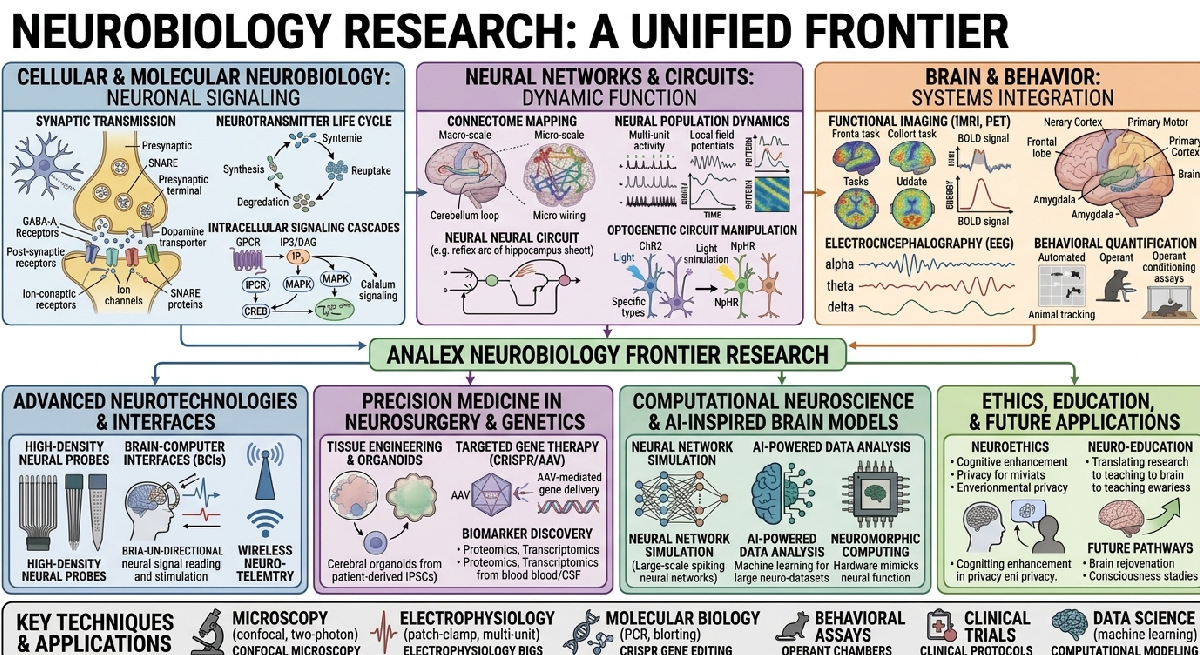
Neurobiology research explores how neural circuits govern behavior, cognition, and disease. Rapid developments in neuroimaging, optogenetics, and AI now allow real-time mapping and manipulation of brain tissue. These innovations directly drive clinical breakthroughs, from bioelectronic interfaces to targeted gene therapies for neurological disorders.
The Cajal Neural Circuits & Synaptic Dynamics Center
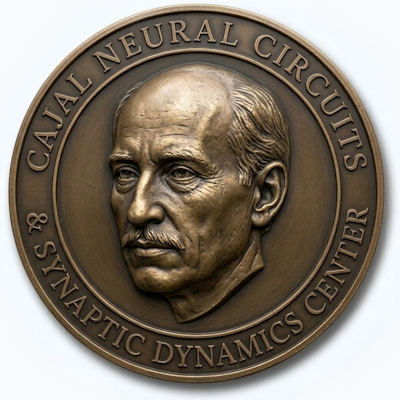 Serves as the high-resolution mapping and electrophysiological hub at Analex Laboratories. Named in honor of Santiago Ramón y Cajal—the father of modern neuroscience who first revealed the cellular architecture of the nervous system—the facility bridges optical connectomics with functional neurobiology to decipher neural wiring, synaptic plasticity, and circuit dysfunction across complex brains.
Core Capabilities & Equipment
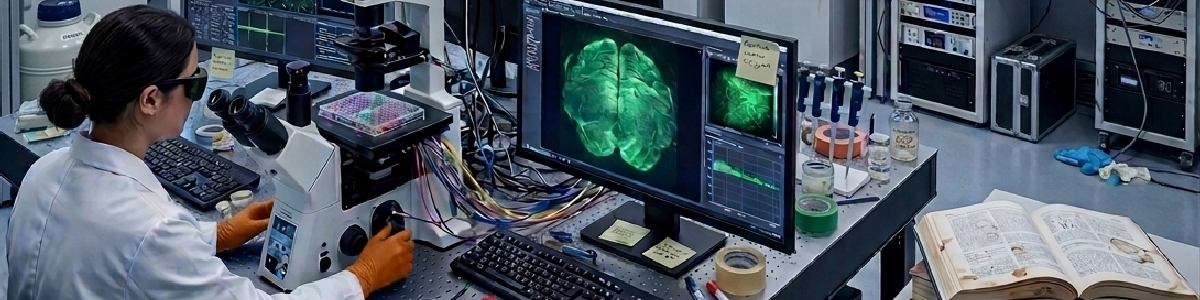
- Two-Photon & Light-Sheet Optical Imaging Suite: High-speed volumetric microscopes track real-time calcium dynamics and neurotransmitter release across thousands of active neurons in living neural tissue without phototoxicity.
- Serial Electron Microscopy (Volume EM) Array: Automated serial-sectioning tools generate nanometer-scale 3D reconstructions of dense synaptic networks, tracing individual axonal projections and dendritic spines to map complete neural connectomes.
- High-Density Patch-Clamp & Electrophysiology Station: Multi-channel planar patch-clamp and automated microelectrode arrays record sub-millisecond electrical signaling, characterizing ion channel kinetics and cellular excitability patterns.
- Optogenetic & Chemogenetic Circuit Manipulation Workstation: Precision laser-guided spatial light modulators activate or inhibit genetically targeted neuronal populations in real-time, isolating the precise circuit mechanisms driving behavioral outputs.
At the forefront of modern neurobiology, Analex Laboratories drives groundbreaking research into the complex architecture and dynamic functioning of the central nervous system. By integrating molecular genetics, cellular biology, and systems-level electrophysiology, consortium researchers are unraveling how billions of neurons and glial cells coordinate to process sensory information, form memories, and execute complex behaviors. This fundamental exploration serves as the foundation for mapping the intricate functional connectivity of the human brain with unprecedented precision.
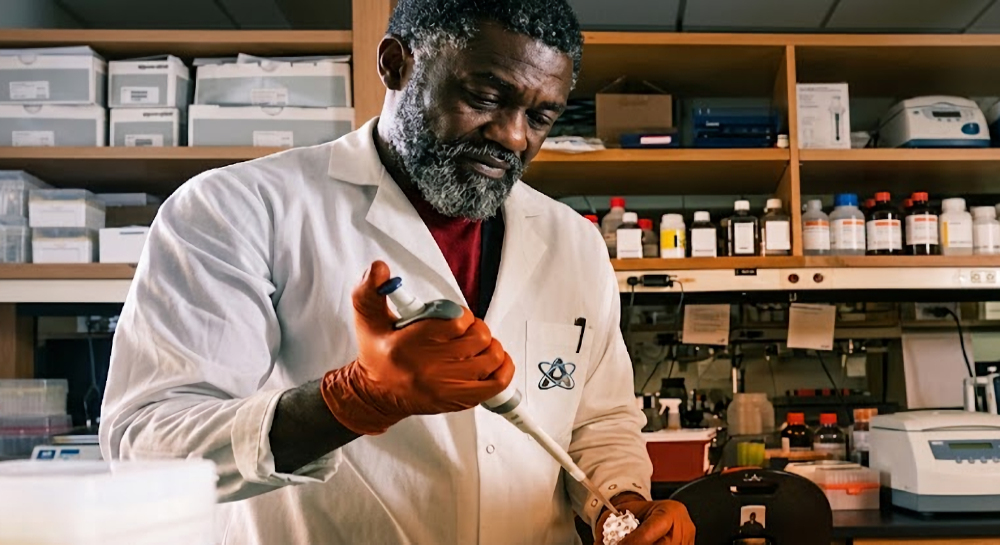
To accelerate discovery, Analex Laboratories pioneers cutting-edge technological platforms that allow scientists to observe and manipulate neural activity in real time. Leveraging ultra-high-resolution neuroimaging, single-cell spatial transcriptomics, and advanced optogenetics, researchers can target specific neural circuits with cell-type specificity. These innovations enable the team to trace pathological changes at the molecular scale long before clinical symptoms appear, revolutionizing how neurodegenerative conditions and psychiatric disorders are detected and characterized.
The translational arm of Analex Laboratories translates these mechanistic discoveries into next-generation therapeutic solutions. By harnessing artificial intelligence and computational biology, the consortium accelerates the identification of novel drug targets, the design of targeted gene therapies, and the development of neuroprotective compounds. These clinical pipelines specifically aim to arrest disease progression in complex conditions such as Alzheimer’s, Parkinson’s, and Amyotrophic Lateral Sclerosis (ALS), shifting the treatment paradigm from symptom management to root-cause disease modification.
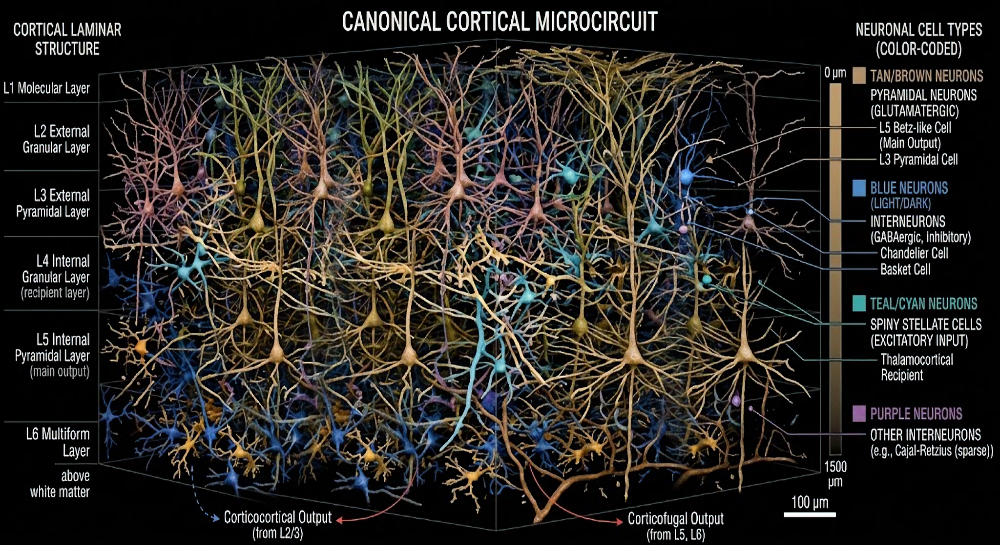
In parallel, Analex Laboratories bridges the gap between biological hardware and synthetic technology through pioneering developments in neuroengineering and bioelectronic interfaces. By engineering high-density neural implants and adaptive brain-computer interfaces (BCIs), consortium teams are creating seamless communication channels between human neural networks and external computing systems. These breakthroughs hold profound promise for restoring motor function, sensory perception, and cognitive capability in individuals affected by severe spinal cord injuries and neuromuscular diseases.
Through this multidisciplinary framework, Analex Laboratories continues to push the boundaries of neuroscience discovery. By seamlessly linking fundamental cellular research with advanced technology, the consortium is expanding our understanding of human consciousness while building the framework for future neurotechnologies and transformative clinical therapies.