Molecular & Cellular Biology
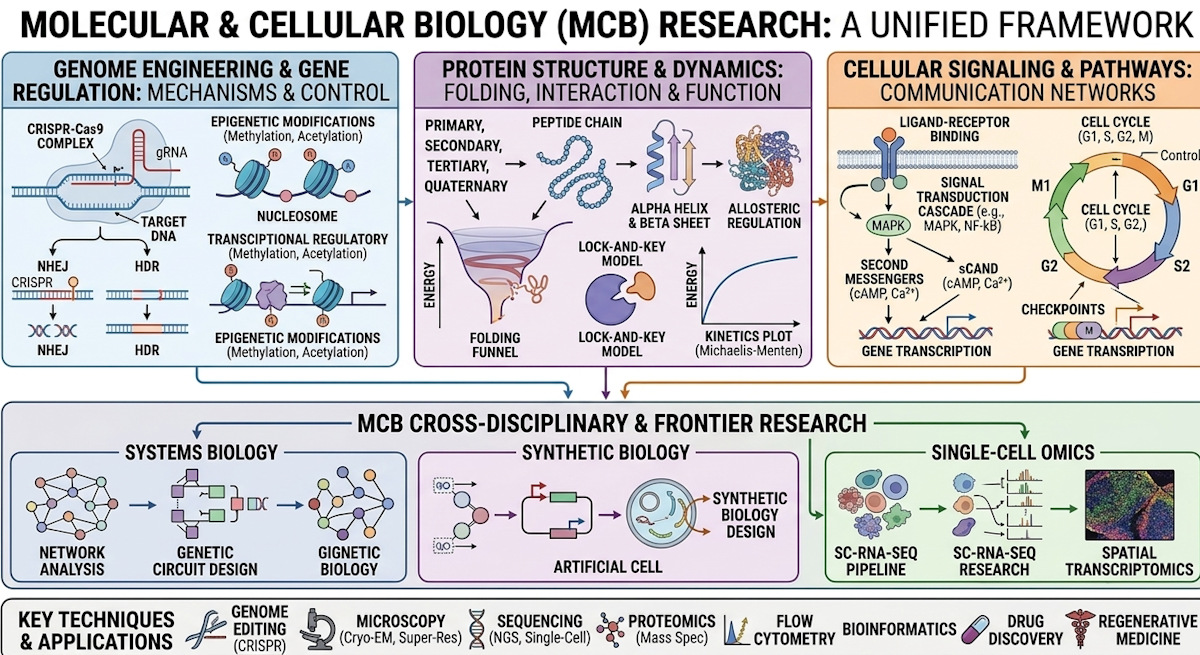
Research, development, and innovation in molecular and cellular biology focus on understanding, manipulating, and engineering fundamental life processes. Using advanced tools like CRISPR, single-cell sequencing, and AI-driven structural modeling, scientists analyze cellular networks with unprecedented precision. These breakthroughs drive transformative applications across medicine and biotechnology, enabling targeted gene therapies, novel vaccines, and personalized clinical treatments.
The Rosalind Franklin Molecular Biology Center
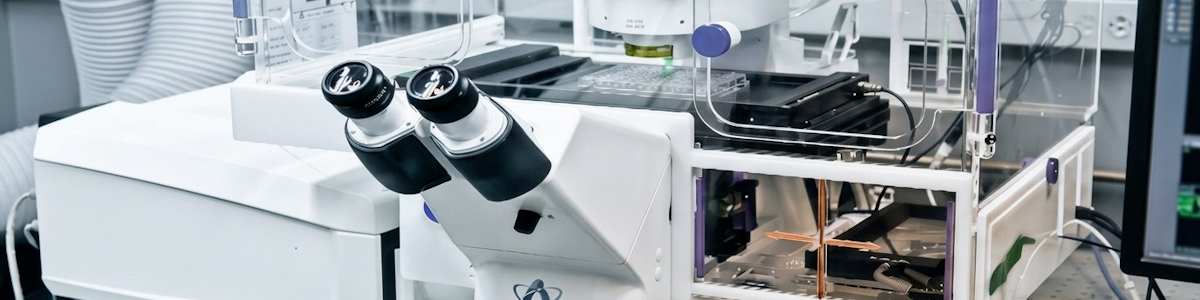
 Named in honor of Rosalind Franklin, the legendary biophysicist whose X-ray diffraction images were foundational to discovering the double-helix structure of DNA — serves as the advanced molecular dynamics and cellular architecture hub at Analex Laboratories. The facility combines single-cell multiomics with super-resolution structural imaging, specializing in decoding genetic regulation, protein folding mechanisms, and subcellular signaling pathways across health and disease.
Core Capabilities & Equipment
- Cryo-Electron Microscopy (Cryo-EM) & Tomography Suite: High-voltage transmission cryo-electron microscopes capture near-atomic resolution 3D structures of membrane proteins, viral complexes, and macromolecular machinery in their native functional states.
- Single-Cell Multiomics & Spatial Transcriptomics Platform: High-throughput microfluidic platforms sequence RNA, DNA methylation, and chromatin accessibility at single-cell resolution, mapping gene expression patterns directly within intact tissue architectures.
- Super-Resolution Fluorescence & Live-Cell Imaging Unit: Stimulated emission depletion (STED) and lattice light-sheet microscopes bypass the diffraction limit to track real-time organelle dynamics, protein transport, and membrane trafficking inside living cells.
- Mass Spectrometry Proteomics & Metabolomics Workstation: Orbitrap mass spectrometers characterize complex proteomes, post-translational modifications, and cellular metabolic flux, pinpointing molecular biomarkers and drug-target interactions.
At Analex Laboratories, research in molecular and cellular biology centers on deciphering the core mechanisms of living systems to tackle complex health challenges. Operating as a collaborative consortium, Analex combines empirical testing, biophysical analysis, and computer modeling to observe cellular behavior with exceptional clarity. Scientists across the organization examine how genes are expressed, how proteins assemble, and how internal communication routes function, converting basic biological findings into practical platforms for medicine and bio-engineering.
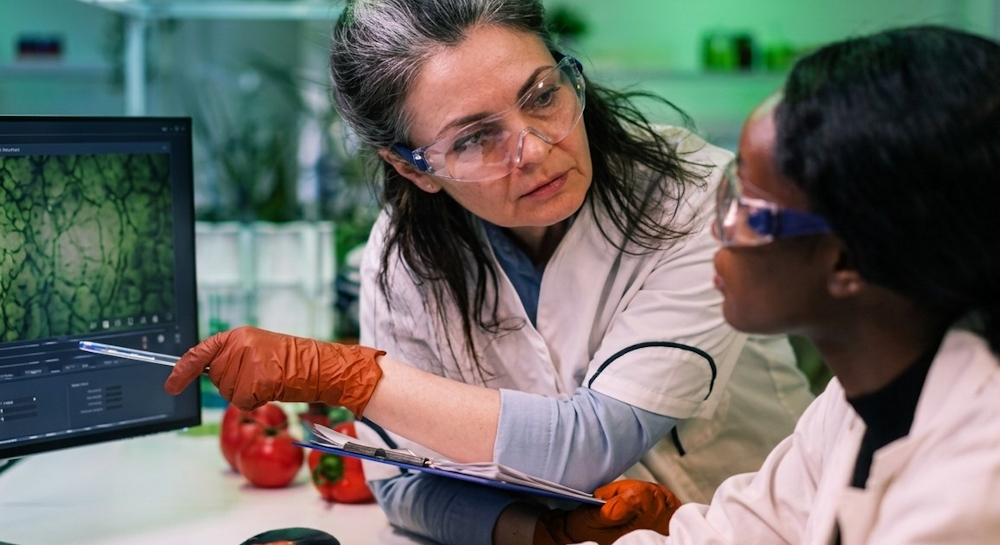
A major focus of the consortium's work involves the comprehensive mapping of DNA regulation and cellular diversity. By deploying advanced single-cell profiling and tissue-level gene mapping, Analex researchers chart how distinct cells perform inside native environments, isolating key factors that influence cell identity, tissue development, and pathological shifts. This detailed view reveals previously undetectable disease indicators and therapeutic docking sites, streamlining the identification of viable treatment targets.
Alongside gene regulation, Analex Laboratories advances the structural design and modification of biological molecules. By combining high-resolution molecular imaging with machine-learning prediction tools, teams observe large protein clusters and cell-surface receptors in dynamic states. These observations empower consortium specialists to construct custom proteins, refine biological catalysts, and fabricate precisely tailored molecular inhibitors and RNA-based tools designed to reduce unwanted side effects.
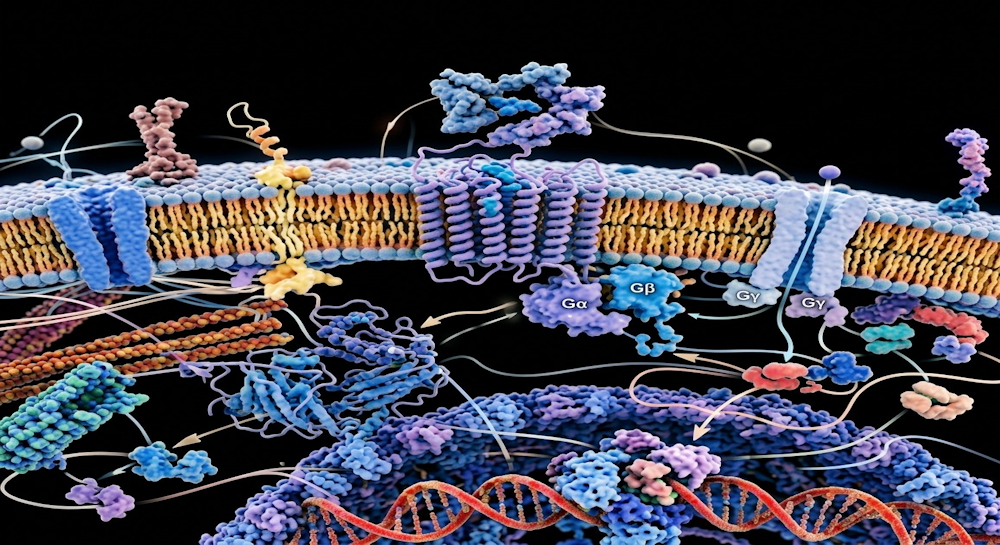
Rather than examining molecules in isolation, the consortium adopts a broader network perspective to clarify cellular communications and internal organelle function. Analex teams study metabolic changes, cellular decline, and altered signaling cascades implicated in brain disorders, immune dysfunction, and cancer. By tweaking these internal control loops with fine-tuned genome modification tools, scientists generate reliable disease models that accelerate the evaluation of experimental treatments.
Through this unified methodology, Analex Laboratories turns foundational biological observations into practical innovations. Combining high-capacity screening tools with extensive validation protocols, the consortium speeds the development of therapeutic delivery systems, engineered gene carriers, and cell-based interventions. In doing so, Analex ensures that basic findings in cellular mechanics directly inform modern healthcare solutions and targeted medicine.