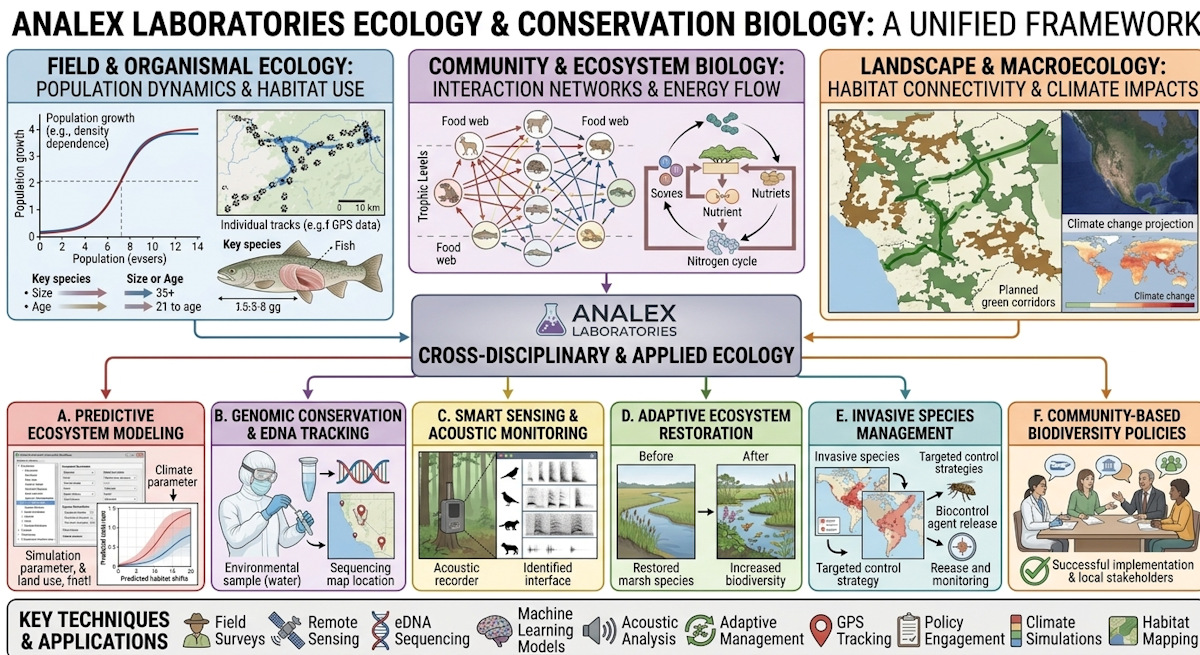
Ecology & Conservation Biology
Research and innovation in ecology and conservation biology examine living organisms and their habitats to safeguard natural environments. By combining field studies with modern tools like satellite tracking, genetic analysis, and predictive modeling, experts pinpoint emerging environmental threats. These findings shape practical solutions, from habitat restoration to smarter policies, that protect wild species and promote long-term biodiversity.
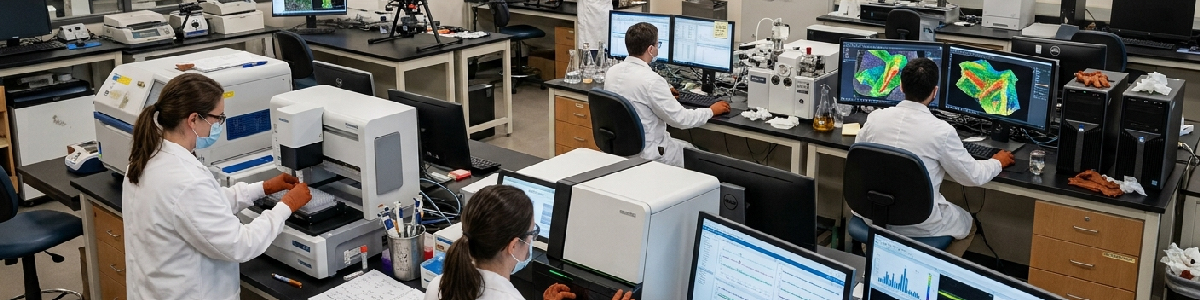
The Wilson Ecosystems & Biodiversity Center
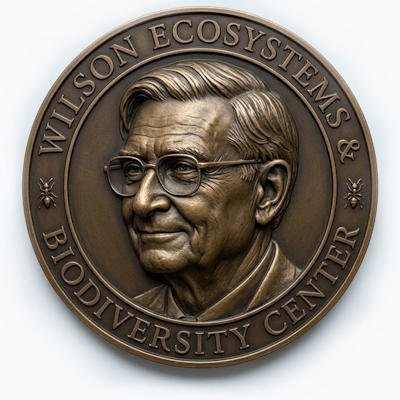 Serves as the macro-environmental monitoring and habitat preservation engine at Analex Laboratories. Named in honor of E.O. Wilson—the visionary of biophilia and island biogeography who championed global conservation efforts—the lab couples orbital and airborne surveillance with trace molecular tools to assess species decline, ecological linkages, and biome health across vulnerable landscapes.
Core Capabilities & Equipment
- Environmental DNA (eDNA) & Biodiversity Genomics Suite: Automated extraction platforms sequence genetic traces left in soil, water, and atmospheric samples to audit entire ecological communities without handling live organisms.
- Drone-Based LiDAR & Multispectral Remote Sensing Array: Aerial scanning systems reconstruct 3D forest architectures and vegetation stress indicators, measuring microclimate shifts and landscape degradation at scale.
- Stable Isotope Ratio Mass Spectrometry (IRMS) Station: High-sensitivity mass spectrometers evaluate elemental ratios across biological specimens to reconstruct trophic interactions, nutrient flows, and long-range wildlife movement.
- Spatial Conservation & Population Viability Modeling Suite: Supercomputing clusters deploy predictive spatial algorithms to chart climate refuge corridors, estimate extinction risks, and formulate optimal land protection strategies.
At Analex Laboratories, research and discovery in Ecology & Conservation Biology are framed by a commitment to understanding complex natural systems and engineering actionable solutions for global environmental challenges. By bridging theoretical field studies with technological innovation, the consortium investigates fundamental biological processes—from ecosystem-level energy flows to species interaction networks—to establish a comprehensive framework for baseline planetary health.
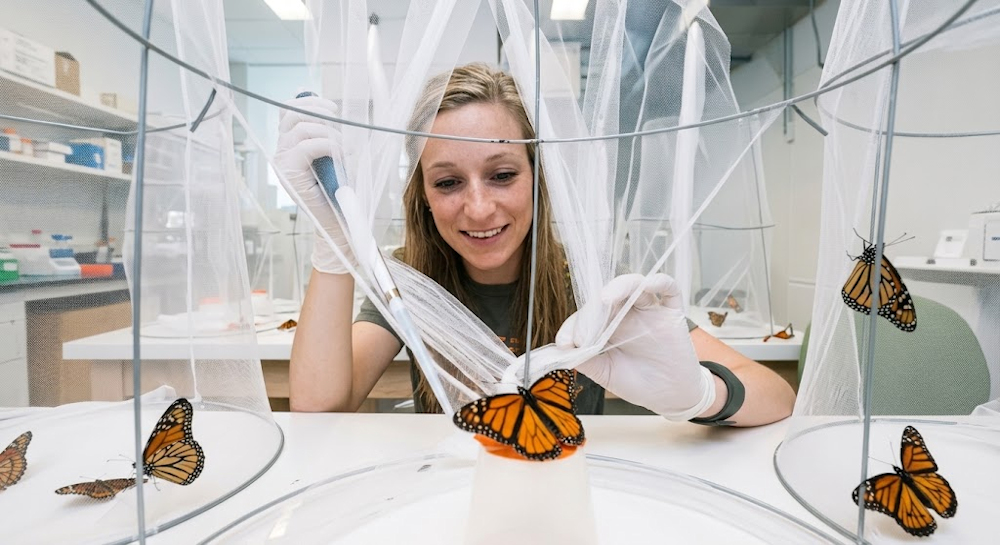
A core focus of Analex Laboratories' initiative lies in deploying advanced analytical infrastructure to track biodiversity loss and environmental degradation in real time. Leveraging high-resolution remote sensing, localized environmental DNA (eDNA) sampling, and autonomous acoustic monitoring, researchers assemble massive, continuous datasets across vulnerable habitats. These multi-layered streams of ecological data allow scientists to identify subtle shifts in population dynamics, detect emerging environmental stressors, and map spatial corridors crucial for species migration.
Complementing observational field science, Analex Laboratories pioneers predictive ecological modeling powered by machine learning algorithms. By simulating multi-scenario environmental trajectories—such as altered precipitation patterns, shifting temperatures, and accelerated land-use change—researchers can anticipate ecosystem tipping points before irreversible damage occurs. This prospective discovery capability shifts conservation strategy from reactive mitigation to proactive, pre-emptive design.
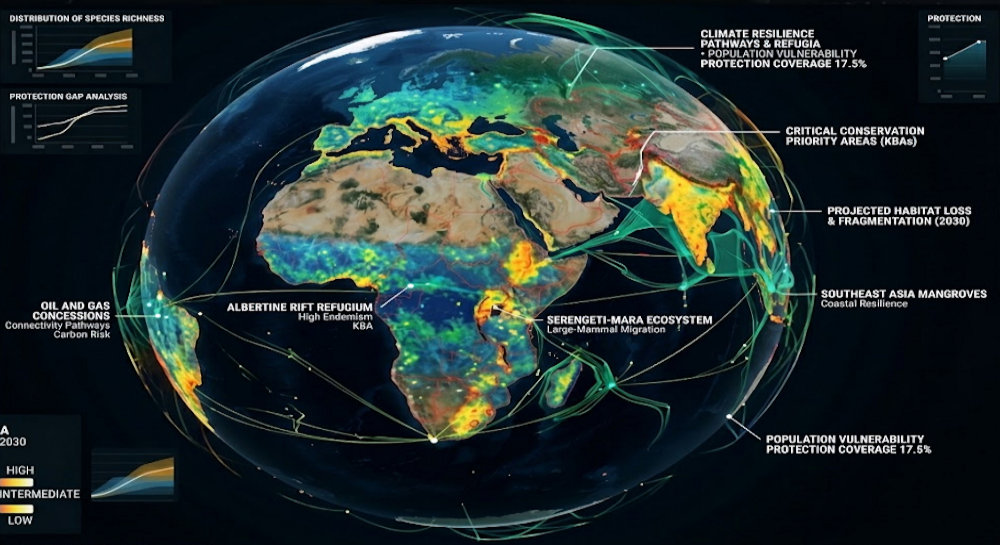
The translational arm of Analex Laboratories turns these insights into applied conservation interventions. Breakthrough discoveries in spatial and molecular ecology inform targeted ecosystem restoration frameworks, tailored invasive species management strategies, and community-level biodiversity protection policies. By integrating cross-disciplinary research with practical, scalable conservation tools, Analex Laboratories continues to push the boundaries of how ecological science mitigates biodiversity loss and secures ecosystem resilience worldwide.